Why a New Mexico Retail Store Needs BIM Services New Mexico

Retail News for BIM Services New Mexico

Building Information Modeling (BIM) has moved far beyond architecture firms and large-scale construction projects. Today, retailers across the country are adopting BIM to stay competitive, streamline operations, and create environments that keep customers returning. For retail stores in New Mexico—where tourism, regional shopping traffic, and expanding commercial development create unique design and operational challenges—BIM is becoming essential rather than optional. 🏬✨

Below is a full, in-depth look at why BIM Services New Mexico is one of the smartest investments a retail store can make.

A Modern Retail Environment Demands More Than Traditional Planning

Retail is shifting every day. New Mexico’s blend of cultural tourism, local commerce, and national retail chains creates a competitive marketplace where precision, efficiency, and customer experience matter more than ever. BIM empowers retail stores to visualize, design, and manage their spaces with unmatched accuracy. Every wall, display, utility line, and fixture becomes part of a live digital model that evolves with the store.

Retailers no longer have to rely on outdated blueprints or guesswork when planning expansions, renovations, or new builds. Instead, BIM offers real-time data, coordination across teams, and a foundation that helps stores stay profitable and resilient.

To understand how these benefits translate into the real world, organizations like Wikipedia – Building Information Modeling provide foundational insights into how BIM transforms industries worldwide.

BIM Reduces Construction Costs and Eliminates Costly Mistakes

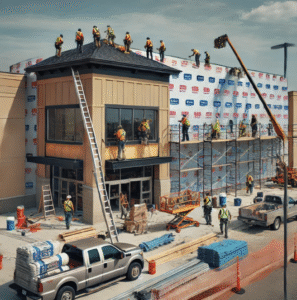
Construction spending is rising, and retail construction is no exception. According to retail industry research from Retail Dive, retailers nationwide are investing heavily in store redesigns and expansions. Without BIM, this process can lead to miscommunication between contractors, layout errors, and unforeseen clashes between systems.

But BIM Services New Mexico brings clarity:
• Coordination between electricians, plumbers, HVAC teams, and general contractors
• Detection of conflicts before physical work begins
• Reduced rework, which cuts project costs dramatically
• Clear, accurate digital models that guide trades and decision-makers

When your margins depend on opening quickly and staying on budget, BIM becomes an invaluable asset. Even one corrected mistake can save a retail store thousands of dollars.

Improved Customer Experience Through Better Store Layouts

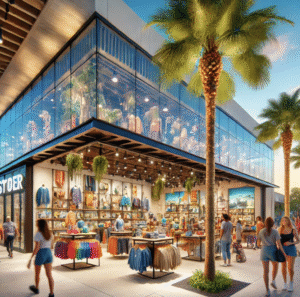
Customer flow, product visibility, and accessibility all impact sales. A poorly designed store layout can reduce browsing time and limit customer engagement. With BIM, retailers can preview digital walk-throughs before a single fixture is installed.

Research from sources like Chain Store Age shows how retailers increasingly rely on data-driven store layouts to improve conversions and customer satisfaction. BIM supports this shift by helping store owners design spaces that are visually appealing, easy to navigate, and optimized for product placement.

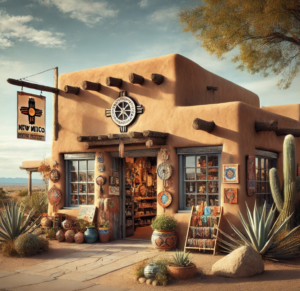
The New Mexico retail scene—known for diverse merchandise, southwestern goods, art, apparel, and specialty items—benefits greatly from layout optimization supported by BIM’s advanced modeling ability.

BIM Helps Retailers Comply With Codes, Safety Standards, and accessibility Regulations

Safety and compliance are part of every project, but retail buildings often face strict demands due to customer volume, ADA compliance, fire safety, and energy regulations. New Mexico has specific building codes that retailers must adhere to, and failing to plan accurately can trigger delays, fines, or expensive redesigns.

BIM creates a digital environment where store owners can ensure layouts, exits, pathways, and systems meet regulatory requirements before construction begins.

Industry news publications such as Retail TouchPoints highlight how technology is reshaping safety and compliance within retail environments—another strong example of why New Mexico retailers rely on BIM to avoid risk.

A Retail Store’s Lifecycle Extends Beyond Construction — BIM Supports Long-Term Facility Management

Once a store is open, the work has only begun. Retailers deal with maintenance, system upgrades, inventory expansions, and routine repairs. Traditional facility plans are often incomplete, outdated, or missing entirely. BIM provides a continuously updated digital record of the store’s building systems, components, and layout.

This is especially crucial in regions like New Mexico, where climate, energy efficiency, and long-term sustainability play a major role in operational costs.

Retail industry analysis from National Retail Federation (NRF) shows rising interest in technology-driven operations, reinforcing BIM’s value beyond the construction phase. With BIM, store owners can:
• Track utility systems
• Plan renovations faster
• Reduce maintenance downtime
• Coordinate updates with accurate, real-time building data

The result is a retail environment that is easier and more cost-effective to manage year after year.

BIM Strengthens Collaboration Between Architects, Contractors, and Retail Decision-Makers

One of the greatest challenges in retail construction is communication. When architects envision one thing, contractors interpret another, and store owners imagine something different, the results can lead to delays and disputes.

BIM Services New Mexico eliminates those barriers with one central source of truth.

Every project partner—designers, engineers, contractors, store owners—can access the same digital model. Updates happen in real time. Misinterpretations vanish. Decisions become clearer.

Insights from Retail Leader show that collaboration tools are becoming essential in modern retail buildouts as retailers seek faster project delivery and greater predictability. BIM fits perfectly into this movement, giving everyone the clarity they need to move confidently.

Optimized Energy Efficiency for a State That Values Sustainability 🌿

New Mexico is known for its commitment to sustainability, making energy-efficient design a priority for retailers wanting to reduce operational costs. BIM allows stores to analyze natural lighting, HVAC systems, insulation needs, and material performance digitally before making costly commitments.

Studies and reports from publications like Winsight Grocery Business show a strong retail shift toward energy-efficiency investments. BIM gives retailers the actionable insights needed to design smarter and reduce waste—something that directly improves the bottom line.

Retail Growth in New Mexico Requires Modern Planning Tools

With growing communities, tourism traffic, and commercial development corridors throughout Albuquerque, Santa Fe, Las Cruces, and other New Mexico regions, local retailers face competition and opportunity. BIM Services New Mexico equips them with the planning power needed to stand out—whether building new stores, modernizing outdated layouts, or planning for future expansions.

Reports from Progressive Grocer continue to show how technology plays a more significant role in retail planning each year. By adopting BIM, New Mexico retailers position themselves ahead of the curve, prepared for growth and future market demands.

Conclusion

A New Mexico retail store doesn’t just need BIM Services—it thrives because of them. From cost savings and improved construction accuracy to better customer experiences and long-term operational control, BIM gives retailers the tools they need to succeed in an evolving marketplace. 🛍️

With better layouts, smarter planning, sustainable design insights, and strong team collaboration, BIM equips every New Mexico retailer with the confidence to build, grow, and innovate. It’s not just a modeling tool—it’s a strategic advantage in a retail world that rewards those who plan intelligently and embrace modern technology.

If you want your New Mexico retail store to grow, operate more efficiently, and stay competitive, BIM Services New Mexico is the solution that propels your business into the future.

Why a Kenya Concrete Batch Plant Should Partner With a Retail Chain

Retail News for Kenya Concrete Batch Plant

Kenya’s retail sector is moving fast, with store footprints expanding, supply chains getting tighter, and customer expectations pushing retailers to build smarter, more reliable operations. In that environment, a Kenya concrete batch plant can win big by partnering with a retail chain, not as a one-off vendor, but as a strategic construction and infrastructure ally that helps the retailer grow smoothly, protect timelines, and control long-term costs. 🏗️

A retail chain lives and dies by consistency. New stores, remodels, parking expansions, loading bays, distribution sites, and maintenance work all depend on dependable materials delivered on time. A concrete batch plant lives and dies by volume, planning, and logistics efficiency. When those two realities meet in a structured partnership, both sides get stronger.

Retail expansion depends on predictable construction timelines

Retail chains do not expand casually. Every new location, refurbishment, or format change is tied to revenue targets, lease milestones, promotional calendars, and operational staffing. When a build runs late, the retailer does not only lose time. They lose momentum, marketing dollars, and sometimes the best seasonal sales windows.

A partnership with a local batch plant adds stability to that schedule. Instead of sourcing concrete job-by-job, the retail chain gains a consistent production partner who can plan capacity around store rollouts, allocate plant time for high-priority pours, and coordinate delivery windows that fit real site conditions. This is especially valuable when multiple sites are running at once, which is common during aggressive retail expansion cycles covered daily across industry news outlets like Reuters’ retail and consumer coverage. Reuters Retail and Consumer Reuters

Supply chain resilience is now a retail priority

Modern retail is not just shelves and storefronts. It is logistics, inventory turns, transport efficiency, and risk management. Retail news has increasingly focused on supply chain resilience and operational reliability because disruptions ripple straight into customer experience and profitability. Retailers are building distribution nodes, upgrading loading areas, and investing in facilities that reduce downtime.

A Kenya concrete batch plant that partners with a chain becomes part of that resilience strategy. The plant can support rapid repairs to yards and loading aprons, pour reinforced slabs for high-traffic staging areas, and deliver consistent mixes for specialized requirements. This matters even more when retail chains shift formats, add fulfillment functions, or expand regional distribution, trends frequently analyzed in retail trade and industry coverage like the Financial Times retail and consumer reporting. Financial Times Retail & Consumer Financial Times

Retail sites need durable concrete built for heavy traffic

Retail chains put concrete under real pressure. Delivery trucks, pallet jacks, forklifts, customer vehicles, trolley traffic, and constant footfall all punish slabs, drive lanes, and loading docks. Poor-quality concrete or rushed finishing shows up quickly as cracking, spalling, drainage problems, and unsafe surfaces.

A long-term partnership allows the batch plant to learn the retailer’s standards and design mixes that match real usage. That includes consistent compressive strength, abrasion resistance, workability that suits site constraints, and curing approaches that reduce early-age issues. The result is fewer repairs, less disruption, and a better-looking site that stays safer for customers and staff.

Retailers talk openly about operational efficiency and risk reduction through organizations like the National Retail Federation, which regularly publishes updates and industry-facing announcements. NRF Press Releases National Retail Federation

Speed and coordination improve when both sides plan together

The difference between a transactional supplier and a partner is planning. With a partnership, the retailer can share a rollout calendar, and the batch plant can align production schedules, aggregate procurement, fleet allocation, and contingency planning around it.

That coordination reduces the chaos that often hits active construction sites, especially in urban areas where access is limited and timing matters. It also supports better outcomes during peak building periods when multiple contractors compete for materials and deliveries. A retail chain that secures dependable supply reduces the risk of project delays and cost overruns, and the batch plant reduces idle time by forecasting demand more accurately.

Retail industry publications that track operational trends, technology, and logistics pressures often highlight how execution discipline separates winners from the rest, including outlets like Retail Dive. Retail Dive Retail Dive

A partnership can unlock standardized store formats and quality control

Retail chains thrive on standardization. The more consistent the store format, the faster they can replicate it, train teams, and maintain brand experience. Concrete is part of that standardization, from slab thickness and joint layout to curb geometry, ramp slopes, drainage channels, and exterior walkways.

When a Kenya batch plant becomes a preferred partner, it can help the chain maintain consistent concrete performance across multiple sites. That consistency reduces rework, lowers maintenance costs, and makes contractor performance more predictable because crews are working with familiar mixes and placement expectations.

Standardization also allows better sustainability planning, including optimized mix designs that reduce waste, improve durability, and cut lifecycle costs. It is not about trendy claims. It is about building sites that last longer and need fewer disruptive repairs.

Retail distribution and grocery formats create recurring concrete demand

Retail is not one category. Grocery, convenience, big-box, specialty, and hybrid formats each have different facility needs. Grocery chains and food retail, for example, place intense demands on loading areas, yard paving, cold-chain facility construction, and frequent maintenance because heavy vehicles and strict hygiene standards drive constant upgrades.

That creates recurring demand for concrete beyond the initial build. A partnership lets the batch plant participate in expansions, add-on structures, repairs, and new distribution capacity as the retail chain scales. Grocery-focused retail news and operations shifts are tracked closely by specialized outlets like Grocery Dive. Grocery Dive Grocery Dive

Better budgeting and cost control benefit both parties

Retail chains plan capital expenditures carefully. A batch plant also needs predictable cash flow and volume to run efficiently. A partnership can include predictable pricing frameworks, volume commitments, and service-level expectations that reduce surprises for both sides.

For the retailer, that means clearer budgeting for new store builds and maintenance cycles. For the batch plant, that means better forecasting, smoother staffing, smarter fleet scheduling, and improved procurement planning. Even modest operational improvements become meaningful when repeated across multiple sites and multiple years.

This also encourages professional performance standards. When the relationship is long-term, both parties have incentives to solve problems quickly, document requirements clearly, and keep quality high, because the next project is already on the horizon.

Co-branding and community presence can strengthen reputation

Retail chains care about community reputation. Construction impacts communities through noise, traffic, and site disruption, but also through improved access, jobs, and better infrastructure. A local batch plant that supports clean, organized, on-time builds becomes part of the retailer’s local credibility.

The partnership can also support community initiatives like small infrastructure upgrades around store locations, safer pedestrian paths, improved drainage solutions, and clean site handovers that protect neighborhoods from long-term construction mess. Those practical details matter to local stakeholders and local regulators.

Clearer alignment comes from shared language and shared goals

At the simplest level, a retail chain sells trust. Customers expect availability, cleanliness, safety, and consistency. A concrete batch plant sells reliability, performance, and delivery discipline. When both sides align under a partnership, the results show up in operational stability and physical assets that hold up under real use.

A retailer that keeps expanding across Kenya will keep building. A batch plant that wants stable growth needs dependable, repeat demand. Partnering formalizes the relationship and makes that growth more profitable, less stressful, and far more predictable.

For foundational context on the retail industry itself, a neutral reference point can be useful for internal alignment across teams. Retail on Wikipedia

Conclusion

A Kenya concrete batch plant should partner with a retail chain because retail growth is built on concrete realities, including timelines, durability, logistics, and consistency. A structured partnership turns concrete supply into a strategic advantage that supports faster expansion, stronger sites, fewer repairs, and better long-term cost control. It also gives the batch plant predictable volume, improved planning, and a position inside a fast-moving industry that rewards reliable execution. 🤝

Why Every Arlington Retail Store Needs Trusted Roofing Companies in Arlington, Texas

Retail News for Roofing Companies in Arlington Texas

In the bustling retail landscape of Arlington, Texas—where first impressions, foot traffic, and customer experience shape every business decision—protecting the building that protects your business is non-negotiable. One often-overlooked but mission-critical part of that success? Your roof. From safeguarding inventory to ensuring a welcoming customer environment, partnering with professional roofing companies in Arlington, Texas is not just smart—it’s essential for long-term retail success and profitability. 🛍️

A retail store’s roof is more than a structural component. It is a shield, an asset, a contributor to energy efficiency, and a key factor in maintaining a safe shopping environment. And in North Texas, where weather swings from blazing sun to storms and hail, ignoring roof care can quickly become a costly mistake. Let’s explore why every Arlington retailer needs a reliable roofing partner they can trust.

The Role of a Reliable Roof in Retail Success

Retail stores are environments built on consistency—consistent hours, consistent customer service, and consistent experiences. A damaged or poorly maintained roof can disrupt that rhythm instantly. Leaks, drafts, ceiling stains, mold growth, and unexpected closures send customers scrolling for competitors and damage the reputation you worked hard to build.

Professional roofing companies in Arlington, Texas ensure that your building stays functional, safe, and aesthetically appealing. In the competitive world of retail, where visual appeal, atmosphere, and comfort impact sales, every detail matters—from flooring to roofing and everything in between. When the roof does its job silently, customers stay focused on your products and service—not on water buckets, sagging ceiling tiles, or temperature inconsistencies.

Protecting Inventory, Equipment, and Displays

For retail businesses, losing merchandise is more than a setback—it’s money walking out the door. A compromised roof can allow moisture to seep in, damaging inventory, furniture, technology, signage, and décor. Water leaks can ruin electronics, textiles, paper products, and high-value goods in seconds.

Retailers carry significant assets in merchandise, shelving, registers, lighting, and in-store display technology. Roofing professionals provide inspections, maintenance, and fast repairs to ensure your store avoids inventory losses and insurance claims that could otherwise derail your quarter.

Weather-Resistant Performance for Texas Conditions

Arlington weather demands roofing systems built to withstand it—punishing heat, humidity, heavy rainstorms, and severe hail. A retail roof installed or serviced by experienced roofing companies in Arlington, Texas is designed with the region’s climate in mind. They understand local building codes, material durability standards, and advanced coatings that handle both sun exposure and storm impact.

This climate-specific expertise dramatically reduces roof failure risks and prevents emergency closures and losses caused by leaks or structural issues. Retailers can’t afford disruptions—especially during peak shopping seasons.

Maintaining Energy Efficiency and Comfort Inside the Store

Customers expect a clean, cool, and comfortable shopping experience. A damaged roof compromises HVAC efficiency, forcing systems to work harder. In a large retail space, this means soaring energy bills and inconsistent temperatures that make customers uncomfortable or encourage them to leave quickly.

Energy-efficient roofing solutions—like reflective coatings or improved insulation—help retail businesses keep their stores inviting year-round while lowering energy expenses. With rising interest in sustainable retail design, roof upgrades support both environmental goals and bottom-line efficiency. According to the National Retail Federation, improving store sustainability and lowering operational waste is an expanding priority across the retail industry. National Retail Federation

Enhancing Store Appearance and Brand Reputation

In retail, perception drives decision-making. Customers associate a store’s upkeep with its professionalism and credibility. A clean, well-maintained storefront—including the roof—reinforces your brand image and builds trust. Whether you run a boutique, grocery store, big-box shop, or specialty retailer in Arlington, curb appeal matters.

Roofing companies can help keep your building modern and polished. Beyond repairs, they offer maintenance and replacement options that protect your building appearance and long-term brand reputation. Retail shoppers notice the details—even the parts they don’t consciously think about.

Preventing Business Interruptions and Safety Hazards

Slip hazards from leaks, mold growth, damaged tiles, and structural failures aren’t just inconvenient—they are liabilities that can trigger injuries, lawsuits, and regulatory issues. A safe environment protects both customers and employees. Retailers who invest in proactive roof maintenance dramatically reduce risk and avoid costly business interruptions.

Additionally, disruptions from roof issues—whether temporary closures or messy repairs during business hours—impact sales volume and customer loyalty. Arlington roofing experts help retailers avoid these scenarios through scheduled inspections and timely repairs.

Increasing Property Value and Lease Satisfaction

Retail property owners and shopping center managers also benefit from strong partnerships with roofing companies in Arlington, Texas. A healthy roof protects property value, attracts quality tenants, and reduces long-term operational expenses. Retail tenants appreciate proactive maintenance and reliable building management, which strengthens lease relationships and long-term occupancy.

A well-maintained roof is a financial asset—enhancing building value, inspection readiness, and long-term performance.

Roofing maintenance also positions businesses to adapt to evolving retail environments. Modern stores are integrating rooftop solar, updated ventilation systems, or branding enhancements—all of which require strong roofing structures. Retailers across the nation are investing in infrastructure resilience and modernization as store expectations evolve.

Major publications highlight the increasing focus on safe and efficient store environments. For example, Retail Dive consistently reports how store upgrades and maintenance influence customer experiences and operational outcomes. Retail Dive

Additionally, retail buildings play a critical role in community commerce. Understanding roof upkeep and commercial property maintenance is part of larger retail facility standards, as noted on Wikipedia’s retail industry overview. Retail Industry – Wikipedia

Reliable roofing services help Arlington retail businesses stay aligned with these industry advancements and safety expectations while supporting growth and innovation.

☑️ Final Takeaway: Retail Stores Need Reliable Roofing Support in Arlington

Retail success in Arlington isn’t just about merchandise, location, or marketing—it’s about infrastructure that supports operations, safety, and the customer experience. Roofing companies in Arlington Texas play a vital role in protecting retail businesses by:

• Safeguarding inventory from weather damage
• Ensuring customer comfort and safety
• Enhancing store appearance and brand credibility
• Preventing disruptions and costly repairs
• Supporting energy efficiency and cost control
• Protecting property value and long-term assets
• Meeting modern retail infrastructure standards

Your roof isn’t just overhead—it’s an essential part of your store’s success story. Partnering with trusted Arlington roofing professionals today protects your business tomorrow, ensuring your store stays open, inviting, and profitable through every season and every Texas storm. 🌤️🏪

Invest in strong roofing services. Protect your retail future. Keep your business ready for what’s next.

Cinnamon in Your Cup: A Small Habit Retail Employees Can Use for Energy, Focus, and Better Shifts ☕✨

Retail News for benefits of cinnamon in coffee

Retail days can be a marathon disguised as a sprint. You’re juggling freight at dawn, replenishing endcaps by midday, and still finding a smile for customers at closing. The little rituals you choose before a shift—and during those precious five-minute breaks—matter more than most people realize. One simple, budget-friendly upgrade that pays off again and again: sprinkling cinnamon into your coffee.

Below, you’ll find a practical, retail-ready breakdown of how cinnamon in coffee can support energy, focus, and even customer experience on the sales floor—without page breaks, fluff, or random bolding. You’ll also see a few timely industry reads from retail news outlets to keep you informed while you sip.

Why Cinnamon Coffee Makes Sense for Retail Schedules

Long hours on your feet demand smart fuel. Coffee is already the unofficial beverage of retail, but black coffee can be bitter and adding syrups or flavored creamers stacks up sugar and costs. Cinnamon offers a low-calorie flavor boost and a warm aroma that feels like a micro-reset in the middle of a hectic shift. Retail work thrives on small, repeatable habits—straightening a table, greeting with eye contact, scanning perishables. Stirring a half-teaspoon of cinnamon into your cup is another tiny habit that compounds into a calmer, sharper workflow.

Cinnamon’s naturally sweet profile can reduce the urge to dump sugar into your drink. That means smoother energy instead of sugar spikes and crashes—especially important during back-to-back rushes or when you’re covering for a late co-worker. Meanwhile, the scent alone is a mood lift: comforting without being heavy, seasonal without being gimmicky, and familiar to customers across age groups and cultures. That matters when you’re moving from stockroom mindset to guest-facing in seconds.

The Retail Reality: Busy Seasons, Tight Margins, and Your Stamina

Retail is cyclical, and peak sales periods strain bodies and brains. Industry forecasts for holiday sales and seasonal hiring are a good reminder that peak traffic isn’t just about ringing the register—it’s about sustaining energy and service quality all day. If you’re bracing for heavier footfall, a small nutritional tweak that reduces sugar reliance can help you avoid the mid-shift slump when lines are longest and patience runs shortest. For context on how retailers plan staffing and expect traffic to swell, check the National Retail Federation’s outlook: NRF Holiday Forecast. National Retail Federation

At the same time, the retail workforce is under pressure. Studies highlighted by trade publications show many frontline associates consider switching jobs because of stress, scheduling challenges, or lack of support. Simple, controllable habits—hydration, better break fuel, and steadier caffeine routines—won’t fix structural issues, but they can make hard days more manageable. See Retail Dive’s coverage of frontline sentiment here: Retail Dive: Frontline Workers & Retention. Retail Dive

Flavor Without the Crash: A Smarter Sweet Tooth

If you’ve ever hit the bakery case or the breakroom snack drawer at 3 p.m., you know the siren song of quick sugar. Cinnamon can help you turn down the volume on that call. By adding warm, sweet-leaning spice to your coffee, you often need less creamer or syrup to make it enjoyable. Less added sugar means fewer energy swings—key when you’re dashing between tasks, answering product questions, and learning a new POS promo in the same hour.

From a wallet perspective, this also stretches your budget. Coffee prices have seen volatility lately, and anything that helps you enjoy store-brand or plain black coffee without pricey add-ins is a win. To see how coffee prices have moved (and why), skim this retail-adjacent business update: The Guardian: Instant Coffee Price Increases. The Guardian

Focus, Mood, and the “Soft Skills” Cinnamon Supports

Retail success is built on soft skills—patience at the register, empathy with returns, steady tone during price checks. Cinnamon coffee can be part of a mood-supporting ritual: the aroma hints at comfort and routine, which lowers the feeling of chaos on heavy days. Pair your cinnamon coffee with a 60-second breathing reset (inhale while the cup warms your hands, exhale before you step back onto the floor) and you’ll notice how the micro-ritual helps you re-center before your next customer interaction.

There’s also a training advantage: when you feel steady and satisfied instead of jittery and sugared-out, it’s easier to retain product details and promo rules. That steadiness translates to better upsells (suggesting the right accessory) and smoother recovery when systems lag or inventory mismatches crop up. Retail leaders increasingly talk about empowering associates with small, sustainable habits that compound into lower turnover and higher productivity; for a big-picture view of how the industry frames workforce improvements, see this perspective: NRF: 2025 Retail Predictions. National Retail Federation

Budget-Friendly, Breakroom-Friendly, Store-Policy-Friendly

Cinnamon is inexpensive, shelf-stable, and easy to store in a labeled shaker. You don’t need a blender, a fridge, or a special machine. Most breakrooms permit basic spices, and you can keep a personal jar or packets in your locker. A single jar can last weeks even if you share it with the team. If your store offers complimentary coffee, adding cinnamon costs the company nothing and can subtly improve morale. If you buy your own cup on the way in, sprinkling cinnamon helps you enjoy the cheaper roast with café-like flavor.

For associates who rotate between early opens and closing shifts, cinnamon coffee is adaptable. Hot or iced, it blends well. On iced coffee, dust the ice first so the spice disperses instead of clumping; for hot coffee, stir thoroughly or add the cinnamon to the grounds basket (if policy allows) for a smoother infusion. If your location sells coffee or café items, a quick “associate recipe” on the team board can become a small culture builder—especially during seasonal set.

How to Add Cinnamon Like a Pro (Without the Grit)

Full transparency: dumping ground cinnamon straight into a cup can lead to clumps. These quick fixes keep the texture smooth:

  • Bloom it: Mix ¼–½ teaspoon cinnamon with a splash of hot coffee to make a slurry, then top up the mug.

  • Dust the filter: If you brew a shared pot (and it’s allowed), sprinkle cinnamon over the grounds so the hot water infuses flavor evenly.

  • Try a stick: A cinnamon stick stirred for a minute gives light flavor without sediment and doubles as a fragrant stirrer.

  • Pair it smartly: Cinnamon plus a dash of milk (dairy or oat) tastes richer, so you can skip flavored syrups.

Start with less than you think; you can always add more. The goal is warmth and sweetness—not a spice bomb.

Teamwide Perks: Culture, Customer Experience, and Little Luxuries

Great store culture is built on tiny, repeatable moments of care. A shared cinnamon shaker says, “We look out for each other.” That message compounds as new hires arrive and veterans pass along small rituals. Customers feel the difference when associates have steady energy and real smiles; they get help faster and leave happier.

Seasonally, cinnamon’s scent taps into positive associations—holidays, comfort, home—without pushing specific merchandising. If your store has a coffee bar or sells seasonal beverages, being “the associate who knows great add-ins” is a subtle brand for yourself. You become a micro-influencer among your team, and that pride tends to show up in your service.

For a high-level reminder of just how central retail is—and how many roles fit under the “retail” umbrella—bookmark this overview: Wikipedia: Retail. It’s a useful primer when you’re thinking about career paths within the industry, from associate to department lead to store or district management. Wikipedia

Stretching Your Paycheck Without Sacrificing Your Ritual

Everyone deserves small daily luxuries, and your morning coffee should be one. Cinnamon helps you keep it affordable while elevating the experience. If coffee prices tick up or your favorite brand runs a little bitter, spice bridges the gap. If your store discount makes certain coffee SKUs a smart buy, a pinch of cinnamon can make those SKUs taste café-ready at home—and you’ll still walk in with a cup that fuels you through truck unloads, planogram resets, and rush hours.

On the macro side, retail headlines often track hiring and traffic swings that affect how intense your shift feels and how long lines will be. It’s worth scanning a credible news source now and then so you know when to expect heavier crowds (and plan your break kit accordingly). Reuters’ holiday sales coverage is a good example of concise retail news you can read on a quick break: Reuters: Holiday Sales Forecast & Seasonal Hiring. Reuters

A Simple, Uplifting Habit You Can Start Today

No gimmicks here—just a practical, flavorful tweak to a ritual you already love. The benefits of cinnamon in coffee helps you rely less on sugar, steadies your energy, boosts your mood, and brings a little warmth to tough shifts. It’s cheap, portable, and breakroom-friendly. Most importantly, it’s a small, repeatable habit that supports the core skills retail demands: patience, clarity, and face-to-face service.

Bottom line: retail work is human work. A pinch of cinnamon is a tiny, human-sized upgrade that makes the day a bit brighter—for you and for the customers you serve. ☕🧡


Further Reading (Retail-Relevant):

Why Retail Workers Should Take a Business 101 Course 😊

Retail News for business 101 course

Working in retail offers a frontline view of how commerce, customer behaviour, and operations come together in the real world. Retail associates engage directly with customers, stocks, pricing, merchandising, and the rhythm of daily business. Despite this, many retail workers dive into the role without the formal framework that a business-education course can provide. A Business 101 course — covering fundamentals like marketing, finance, operations, and organizational behaviour — brings clarity, confidence and a competitive edge. In today’s rapidly evolving retail landscape, with pressures from turnover, technology, and changing customer expectations, it has never been more beneficial for retail workers to deepen their understanding of business fundamentals.

The Changing Retail Landscape


The retail industry is undergoing transformation driven by digital disruption, shifts in consumer behaviour, and cost pressures. According to industry outlooks, retail executives expect the industry to grow only at mid-single digits in 2025 and see major investments in omnichannel capabilities and workforce readiness. Deloitte+1 At the same time, labour-market indicators show job openings in retail have fallen and workforce dynamics are shifting. Reuters For retail workers, this means the role is no longer just about selling goods—it’s about understanding business fundamentals, adapting to change, and leveraging their position for career growth.

Building a Foundation in Business Concepts


A Business 101 course introduces core concepts that underpin any business—whether a small storefront or a large retail chain. These include profit and loss, supply-and-demand, marketing, customer segmentation, operations management, inventory turnover, and more. For a retail worker who may focus primarily on customer service or stocking shelves, understanding these concepts adds a deeper layer of insight. They begin to see how their daily tasks connect to the bigger picture—how inventory management affects profitability, how merchandising impacts customer behaviour, or how pricing strategy is influenced by cost and margins.

When retail workers grasp these business fundamentals, they can anticipate and respond to operational demands more effectively. They become not only executors of tasks but thinkers who understand why tasks matter. For example, knowing how inventory ageing affects markdowns makes a difference when a team member spots older stock and signals a possible action. This kind of awareness differentiates a good team member from a strategic one.

Enhancing Customer Service and Sales Performance


Retail workers often focus on the immediate interaction: greeting customers, answering questions, ringing up sales, managing returns. These are crucial skills. But layered over this with business training is the ability to understand why customers behave the way they do, what motivates purchases, and how value is created for both the customer and the retailer.

With business knowledge, retail workers can better align their service to business goals. They may recognize when a customer is seeking value rather than just price, or when an upsell makes sense because it aligns with inventory availability and profit margin. Training studies show that retail L&D initiatives covering customer service, operational excellence and soft skills contribute significantly to performance and retention. Engageli+1 Retail associates who can connect their service to business outcomes drive stronger results: higher conversions, fewer returns, better customer loyalty.

Career Advancement and Skill Differentiation


One of the big opportunities of business education for retail workers is career growth. The retail sector is known for high turnover—but part of the reason is limited advancement or lack of professional development. By adding a business course to their skill set, retail workers signal ambition and acquire skills useful for roles beyond the storefront: assistant manager, inventory coordinator, e-commerce specialist, visual merchandiser, or even roles in training and leadership.

Learning business concepts also empowers retail employees to speak the language of management—interpreting sales reports, understanding staffing models, participating in merchandising meetings. That fluency can open doors. Additionally, research indicates that when organizations invest in learning and development, retention improves markedly. Adobe for Business+1 For the individual, this means a stronger position to negotiate, to be recognised, and to build a long-term career rather than a transient job.

Adapting to Operational and Technological Shifts


Retail is changing fast: omnichannel strategies, digital ordering, micro-fulfillment, analytics, artificial intelligence all influence how stores operate and how teams are managed. For example, the 2025 retail industry outlook identifies workforce readiness as a key investment area for retail companies. Deloitte For workers on the ground, a Business 101 course provides the mindset and vocabulary to adapt to these changes.

When a retailer introduces new technology or shifts inventory models, associates who understand how operations link to business strategy can participate meaningfully. They can ask better questions about customer fulfilment, anticipate training needs, and adapt to change with less disruption. In short, being business-literate means being future-ready.

Empowerment through Understanding the Bigger Picture


Retail workers often have intimate knowledge of the customer experience—they see it face-to-face. Pairing that hands-on insight with business education creates empowerment. Instead of seeing tasks as discrete and separate, workers see the ecosystem: this sale, this display, this shift—all contribute to overall business performance. That perspective fosters pride, initiative, and ownership.

When someone understands how their role influences profit, loss, customer loyalty, inventory turnover, they can make suggestions, spot inefficiencies, and become proactive. They become not only contributors but valued business partners. That is empowering. It builds confidence, increases engagement, and elevates the workplace culture for everyone.

Conclusion


Retail workers play a critical role in one of the most dynamic and customer-centric industries. Incorporating a Business 101 course into their skill set is far more than an academic exercise—it’s a strategic move. It fosters foundational understanding of business mechanics, boosts customer service and sales outcomes, opens doors for career advancement, and equips associates to thrive amid operational and technological shifts. In an industry where the only constant is change, having a business education under your belt is akin to having a compass and map rather than simply following the route. For retail workers who want to be more than just transactional and want to shape their future path, taking a Business 101 course is a smart, career-enhancing investment. 🎯

Why an Orlando Retail Store Needs an Orlando SEO Consulting Company

Retail News for Orlando SEO consulting

In today’s fast-moving retail landscape, success is no longer measured by foot traffic alone. Orlando, known for its tourism, diverse neighborhoods, and thriving retail scene, offers countless opportunities for local shops to grow. But with so many businesses competing for attention, simply having a storefront isn’t enough. To stand out, an Orlando retail store needs to connect with customers where they’re already looking—online. This is where partnering with an Orlando SEO consulting company makes all the difference.

SEO consulting is more than just ranking higher on Google. It’s about positioning your store as the trusted, go-to choice in a busy market. By blending digital visibility with local authority, SEO helps retailers capture new customers, retain loyal ones, and build long-term growth.

Orlando’s Retail Scene is Evolving

Retail in Orlando is undergoing a significant transformation. The rise of e-commerce, changing consumer behavior, and the demand for convenience mean that traditional marketing alone won’t cut it. According to Retail Dive, consumer expectations are shifting rapidly, with shoppers expecting retailers to offer seamless online and offline experiences.

Local stores now find themselves competing not just with other nearby businesses, but also with massive online retailers. Without visibility in search engines, many Orlando retailers risk losing customers before they even know they exist. That’s why having a strong online presence isn’t optional—it’s essential.

Why SEO Consulting is Critical for Orlando Retailers

Visibility Where It Matters

Think about how customers find businesses today. Whether they’re locals searching for a boutique clothing shop in Winter Park or tourists looking for souvenirs near International Drive, their journey begins with Google. An SEO consulting company helps your retail store appear in these searches, ensuring that when potential customers type “best retail stores near me” or “Orlando fashion boutique,” your business shows up.

Local SEO Advantage

Orlando is unique because of its mix of residents and millions of tourists visiting every year. An SEO consultant can optimize your store for local SEO, which focuses on maps, location-based searches, and “near me” keywords. This ensures that people within walking or driving distance find your shop first. According to National Retail Federation, personalization and location-based strategies are becoming increasingly important in the retail industry. Local SEO puts your store in front of the right audience at the right time.

Building Trust and Authority

Customers trust businesses that appear at the top of search results. If your Orlando retail store doesn’t show up, people may assume it’s less reputable than competitors that do. SEO consulting involves strategies like content marketing, online reviews, and backlink building that create digital trust. This helps build your reputation both online and offline.

The Competitive Edge in Orlando

Retailers in Orlando face unique challenges. Large shopping destinations like The Mall at Millenia or Orlando International Premium Outlets dominate consumer attention. Smaller retail stores must compete with these giants while carving out their own loyal audience.

An SEO consulting company provides that competitive edge. They analyze what your competitors are doing, identify gaps, and position your store as the smarter choice. For instance, if your competitors are ranking for “Orlando sneaker shop,” but not for “affordable athletic shoes Orlando,” your SEO partner can optimize your site to capture that untapped market.

According to Chain Store Age, retailers that leverage data-driven strategies gain a significant advantage in market share and customer loyalty. SEO consulting is, at its core, a data-driven approach. By using analytics, keyword research, and performance tracking, consultants help you make informed decisions about your digital presence.

Benefits of SEO Consulting for Retail

More Foot Traffic and Online Sales

The ultimate goal of SEO is to increase visibility, which translates into more customers visiting your store. Many Orlando residents and visitors start their shopping journey online—even if they plan to purchase in person. By appearing in those searches, you’re capturing both in-store and online sales opportunities.

Long-Term Investment

Unlike short-term advertising campaigns, SEO builds long-term results. The work done today continues to pay off months or even years later. This makes it one of the smartest investments for Orlando retailers who want sustainable growth.

Connecting With the Right Customers

An SEO consultant doesn’t just bring in traffic—they bring in the right traffic. By targeting keywords relevant to your niche, they ensure that people actively looking for what you sell are the ones finding you. This increases conversion rates and reduces wasted marketing spend.

Strengthening Your Brand

Every time your business appears in search results, it reinforces your brand presence. Consistency builds recognition, and recognition builds loyalty. Over time, customers begin to associate your store with reliability and quality, which boosts repeat business.

Orlando SEO Consulting vs. DIY Marketing

Some retail store owners may attempt to handle SEO on their own. While it’s possible to learn the basics, SEO is a constantly changing field that requires expertise, time, and consistency. Google’s algorithms are updated frequently, and keeping up with these changes can be overwhelming for a busy store owner.

An Orlando SEO consulting company brings specialized knowledge and experience to the table. They know the local market, the competitive landscape, and the strategies that work best for Orlando businesses. Partnering with them allows you to focus on running your store while experts handle your online visibility.

Future-Proofing Your Orlando Retail Store

The future of retail is hybrid—blending online convenience with in-store experiences. Orlando retailers who invest in SEO now are future-proofing their businesses. They’re building digital foundations that will adapt to new technologies, consumer trends, and market shifts.

A store without SEO risks becoming invisible in a market that thrives on visibility. On the other hand, a store with strong SEO consulting can adapt, grow, and thrive regardless of what changes come next.

Conclusion: Take Your Orlando Retail Store to the Next Level

For Orlando retail stores, success depends on more than just great products and friendly service. It requires visibility, trust, and a strong digital presence. By partnering with an Orlando SEO consulting company, retailers can reach more customers, strengthen their brand, and compete with confidence.

With tourism fueling millions of potential buyers and residents seeking local shopping options, Orlando offers immense opportunities. The key is making sure those opportunities don’t slip away. SEO consulting is the bridge between your retail store and the customers searching for you right now.

In a world where being found online can make or break a business, investing in SEO consulting is no longer optional—it’s essential. And the sooner Orlando retailers embrace it, the sooner they’ll see their businesses grow 🌟.